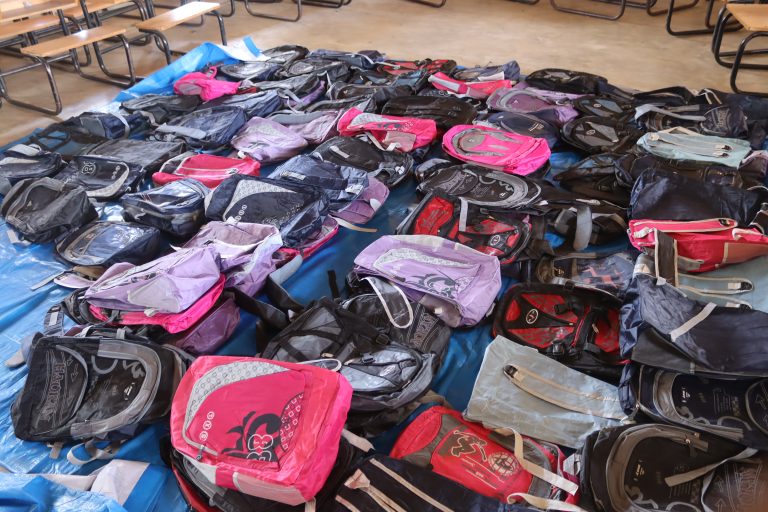
Malawi is making progress in increasing schooling levels to improve education quality for both primary and secondary-aged children. Despite this progress, the primary education system faces challenges including high dropout rates, high pupil-to-teacher ratios, high repetition rates, inadequate teaching facilities, and teaching methods that emphasize memorization over understanding.
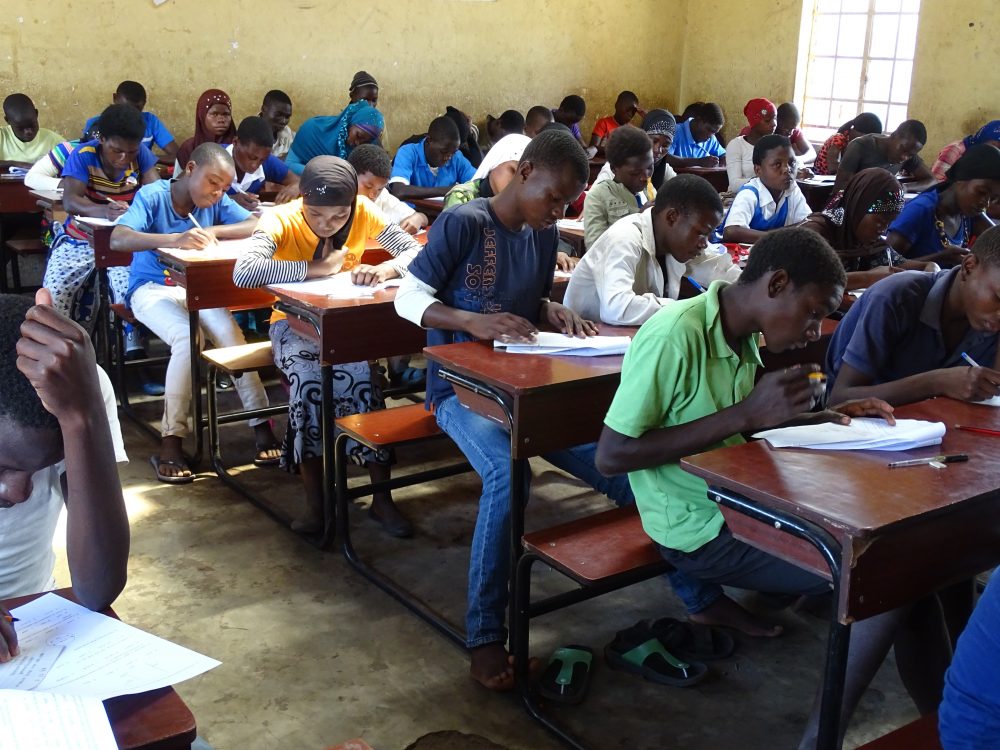
Mangochi district, located on the lake shore in southern Malawi, has over 1.2 million people, including 260,000 primary school students. Unfortunately, only 16% complete primary school education, with the situation being worse for girls—only 13% complete standard eight. In response, Mai Aisha Trust supports basic education at primary and secondary levels with approximately 700 learners in primary section and 36 in secondary. The primary school began in 2008, while the secondary section opened in 2016 with 36 Form One students.
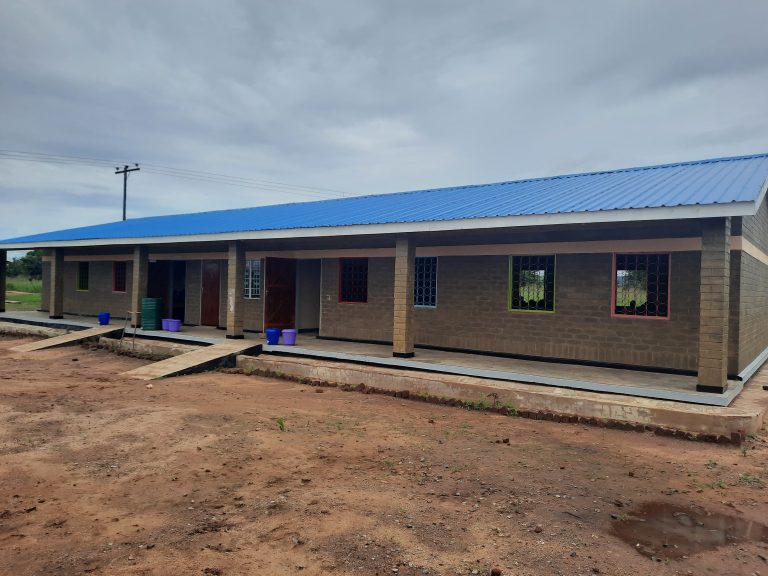
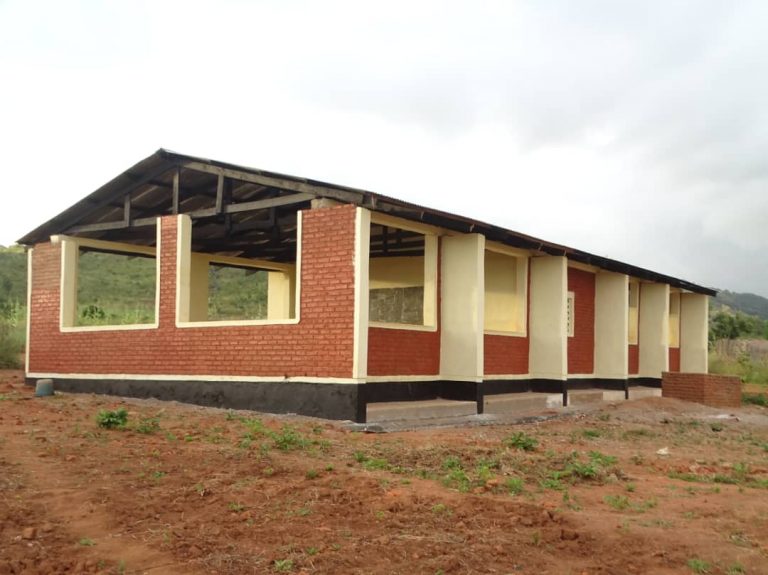
Namalweso Secondary School was constructed with financial support from the Islamic Development Bank (IDB).
The establishment of both schools at Namalweso has alleviated the hardship of children walking long distances—over 20 kilometers—which particularly affected girl children and contributed to early marriages and unplanned pregnancies.
MAT believes that quality education, combined with supportive guardian involvement and skills training, is the best strategy for sustaining the lives of rural children and preparing them for adulthood.